Good communication isn’t about always saying the right thing, having flawless vocabulary, or being the most confident person in the room. It comes from adopting small habits that make conversations clearer, kinder, and more productive. You don’t need to completely change the way you communicate. But a few simple changes, practiced consistently, can make a noticeable difference in your relationships, your business, and your everyday life.
Listen Before You Respond
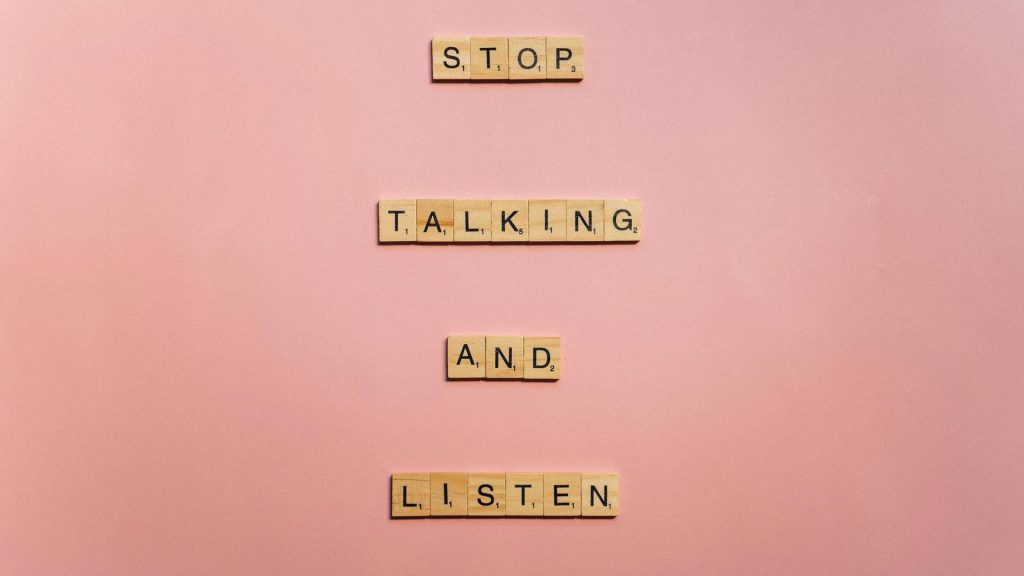
An easy way to improve communication, and maybe the best place to start, is to become a better listener. Give people your full attention while they’re talking. Put your phone down, make eye contact, and let them finish their thought before jumping in. If you’re not fully understanding the point they’re trying to get across, ask a follow-up question like, “What do you mean by that?” or “Can you tell me more?”
Another useful habit is repeating the important part of what someone said before responding. Saying something like, “So you’re saying the biggest issue is…” gives the other person a chance to clarify and shows that you’re actually paying attention. But don’t do it all the time, or you’ll start to sound like a chatbot.
Say What You Mean
Clear communication usually requires less explanation, not more. Before starting an important conversation, spend time actually trying to figure out what you want the other person to understand. Then say it directly and avoid losing your main point under unnecessary details.
Try replacing vague statements with specific ones. Instead of saying, “We need to do better,” explain what needs to change and what you would like to see happen. Instead of assuming someone knows what you need, tell them. Clear expectations make it easier for everyone to respond appropriately.
Pause Before Reacting
Some of the worst communication happens when emotions take over. When you’re frustrated, angry, or caught off guard, give yourself a moment before responding. Take a breath, slow down, and think about whether your response will help the situation.
You can even make it a habit to say, “Let me think about that for a minute,” when you need time. It’s okay to ask for a minute, especially if it prevents an unnecessary argument or words you’ll wish you could take back.
Practice the Basics Every Day
Better communication comes from repetition. Look for little opportunities to practice throughout your day. Ask someone how they’re doing and listen to the answer. Give someone specific positive feedback. Address a misunderstanding instead of letting it sit.
Most importantly, pay attention to how people respond to you. If someone frequently misunderstands what you’re saying, look for ways to make your message clearer. If people seem hesitant to speak openly with you, consider whether you’re giving them enough space to be heard.
Start with one habit, practice it consistently, and add another when it becomes natural. Build your communication skills, one conversation at a time!
Even if it feels like every discussion is a failed attempt at communicating, keep going, no matter how hard it gets. You will get better!